

Psychological
Area
Studio dell’anima o scienza della mente? Dagli antichi greci fino ai nostri giorni la Psicologia si è evoluta in una scienza con l’unico fine di alleviare la sofferenza mentale e portare al raggiungimento di un equilibrio e del benessere mentale e fisico.
Psychologist
Lo Psicologo è un professionista sanitario che, pur non essendo un medico, si occupa della salute mentale attraverso attività di:
La prevenzione è una parte fondamentale del lavoro dello Psicologo. L’obiettivo è intervenire prima che i problemi psicologici diventino gravi, identificando i fattori di rischio e attuando strategie per evitarne lo sviluppo. Questo può includere programmi educativi, workshop e consulenze individuali o di gruppo per promuovere una buona salute mentale e prevenire il disagio psicologico.
La diagnosi consiste nell’individuare eventuali disturbi psicologici attraverso l’osservazione e l’analisi del comportamento, dei pensieri e delle emozioni delle persone. Lo Psicologo utilizza strumenti come test psicometrici e colloqui clinici per comprendere meglio le problematiche del paziente e definire un quadro diagnostico preciso.
L’intervento si riferisce all’attuazione di strategie e tecniche terapeutiche per migliorare il benessere psicologico del paziente. Questo può includere terapie cognitive-comportamentali, tecniche di rilassamento, training autogeno e altri metodi mirati a risolvere problemi specifici e a promuovere una migliore qualità della vita.
Promuovere la salute significa incoraggiare stili di vita salutari che possono prevenire il disagio psicologico. Lo Psicologo lavora per sensibilizzare le persone sull’importanza di mantenere un equilibrio tra lavoro, riposo e attività ricreative, favorendo una buona alimentazione, l’esercizio fisico regolare e la gestione efficace dello stress.
L’abilitazione e la riabilitazione sono processi attraverso i quali lo Psicologo aiuta le persone a sviluppare o recuperare abilità psicologiche fondamentali. Questo può riguardare l’acquisizione di nuove competenze sociali, la gestione delle emozioni o il recupero di funzionalità perse a causa di traumi o malattie.
Il sostegno e la consulenza sono offerti dallo Psicologo nei momenti di difficoltà personale, familiare o professionale. Attraverso colloqui di sostegno e consulenze personalizzate, il professionista aiuta le persone a gestire lo stress, prendere decisioni importanti, superare crisi e migliorare le loro relazioni interpersonali.

Psychotherapy
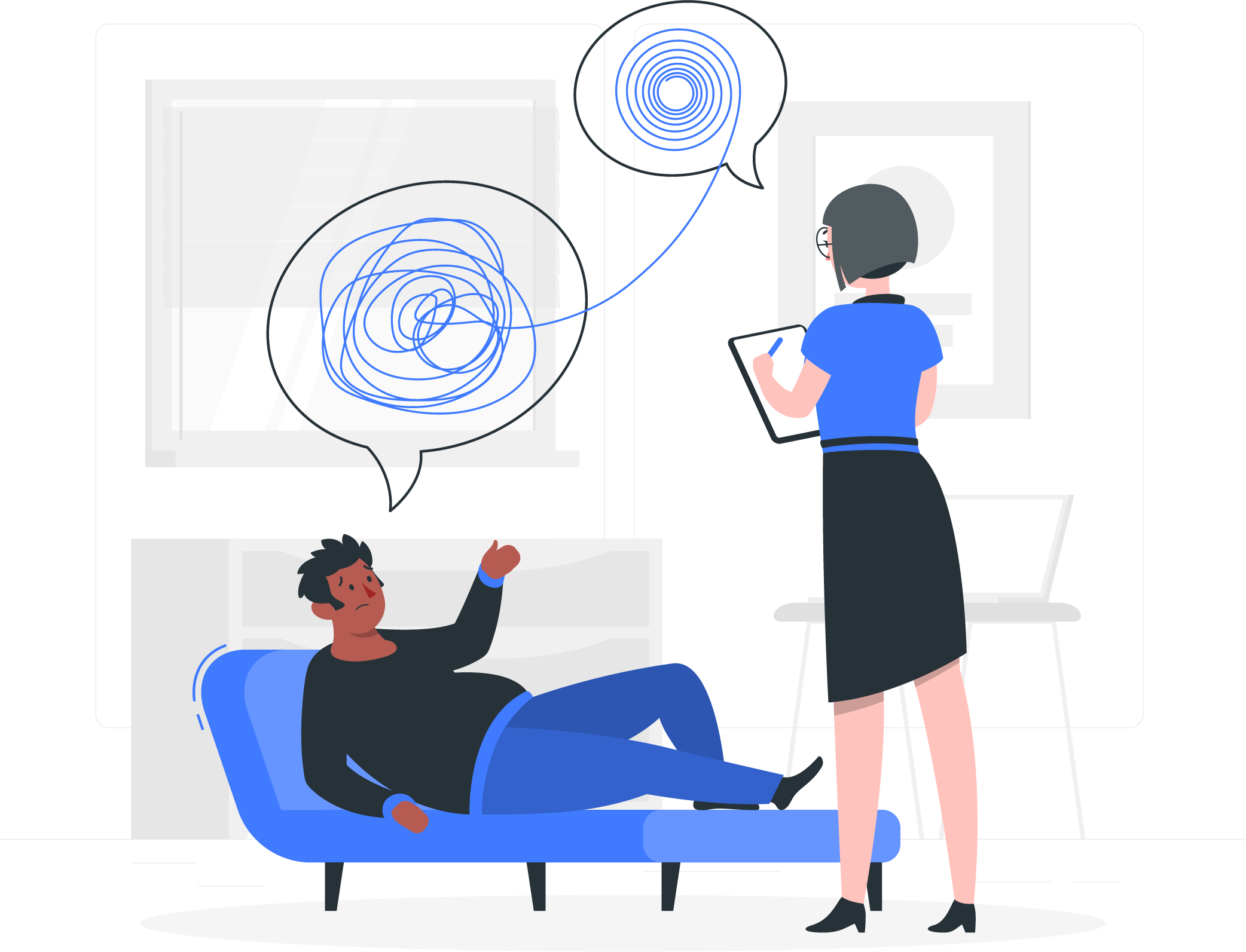
La psicoterapia, spesso definita come una “cura dell’anima”, è una forma di trattamento fornita da Psicoterapeuti qualificati. Solo Psicologi e Medici che hanno completato una scuola di specializzazione e superato l’esame finale possono ottenere il titolo di Psicoterapeuta.
Different therapeutic orientations
The psychotherapists at our center are distinguished by:
L’orientamento terapeutico si riferisce al particolare approccio che ogni Psicoterapeuta utilizza nella pratica clinica. Questo può includere vari modelli teorici e metodologici, come:
- Cognitive Behavioral Therapy (CBT): Focuses on modifying dysfunctional thoughts and behaviors.
- Psychodynamic: Based on the analysis of unconscious dynamics and childhood experiences.
- Systemic-Relational: Focuses on family dynamics and interpersonal relationships.
- Systemic-Relational: Focuses on family dynamics and interpersonal relationships.
- Gestalt: Emphasizes present-moment awareness and personal responsibility.
Ogni orientamento offre strumenti e prospettive uniche per comprendere e trattare i problemi psicologici, e i nostri terapeuti selezionano l’approccio più adatto alle specifiche esigenze del paziente.
Le tecniche utilizzate durante le sessioni variano in base all’orientamento terapeutico e alle necessità del paziente. Alcune delle tecniche più comuni includono:
- Cognitive Therapy: Identifying and restructuring negative thoughts.
- Mindfulness and Relaxation Techniques: To increase awareness and reduce stress.
- Role-Playing and Dramatization: Used in systemic and gestalt therapies to explore relationships and conflicts.
- Dream Analysis and Free Associations: Psychodynamic techniques to explore the unconscious.
- Social Skills Training: To improve social interactions and communication.
- EMDR (Eye Movement Desensitization and Reprocessing): Used to treat trauma and post-traumatic stress disorders through the desensitization and reprocessing of traumatic memories.
Ogni tecnica è scelta per facilitare il processo terapeutico e raggiungere gli obiettivi di trattamento stabiliti insieme al paziente.
Gli Psicoterapeuti del nostro centro si specializzano nel trattamento di pazienti in diverse fasi della vita, adattando il loro approccio alle esigenze specifiche di ogni età:
- Children: Interventions aimed at solving developmental problems, learning disabilities, behavioral difficulties and childhood trauma.
- Teens: Support to deal with the typical challenges of this age, such as identity, relationships, eating disorders, anxiety and depression.
- Adults: Therapies to manage stress, mood disorders, relationship problems, work difficulties and interpersonal conflicts.
- Older Adults: Assistance with loneliness, grief, life changes and mental health issues related to aging.
Ogni fase della vita presenta sfide uniche, e i nostri Psicoterapeuti sono formati per offrire il supporto più appropriato a seconda dell’età e delle circostanze del paziente.
Discover our
Servizi per l’Infanzia e l’Adolescenza
Durante l’infanzia e l’adolescenza, ci focalizziamo su:
Disabilità intellettive
Ci occupiamo di identificare e trattare le difficoltà cognitive. Aiutiamo i bambini a sviluppare le loro capacità intellettive e ad adattarsi meglio all'ambiente scolastico e sociale.
Communication Disorders
Interveniamo per migliorare le abilità di linguaggio e comunicazione. Offriamo supporto a bambini con difficoltà nel parlare, comprendere o usare il linguaggio in modo efficace.
Autism Spectrum Disorder (ASD)
Forniamo diagnosi e interventi personalizzati per bambini con ASD. Lavoriamo sulle abilità sociali, comunicative e comportamentali, adattando le strategie alle esigenze individuali.
Disturbo da Deficit di Attenzione/Iperattività (ADHD)
Aiutiamo i bambini a gestire l'iperattività, l'impulsività e le difficoltà di attenzione. Offriamo tecniche per migliorare la concentrazione e il controllo del comportamento.
Specific Learning Disorder (SLD)
We support children with DSA, such as dyslexia, dysgraphia and dyscalculia. We offer enhancement programs and strategies to facilitate learning.
Movement Disorders
Interveniamo sui disturbi che influenzano la coordinazione e il movimento. Lavoriamo per migliorare le abilità motorie e la capacità di svolgere attività quotidiane.
Psychooncology
Cancer represents, for the patient and his family, a shocking existential test, which affects every aspect of life:
- The relationship with one's body.
- The meaning attributed to suffering, illness and death.
- Family, social and professional relationships.
Il tumore può provocare un ampio spettro di disturbi fisici e psicologici. Molti pazienti manifestano livelli significativi di distress psicologico e, in alcuni casi, disturbi psichiatrici come:
- Major depression.
- Dysthymia (persistent depressive disorder).
- Anxiety
Le difficoltà emotive derivanti dalla diagnosi e dalla malattia stessa possono portare a strategie inconsce che allontanano emozioni intollerabili dalla consapevolezza. La Psiconcologia interviene per trattare queste difficoltà e aiutare il paziente a ritrovare equilibrio.
La Psiconcologia si rivolge a persone il cui disagio psicologico non è legato a un disturbo psicopatologico preesistente, ma è il risultato del trauma provocato dalla diagnosi di cancro. Questo disagio colpisce molteplici aspetti della vita, tra cui:
- The relationship with one's body.
- Suffering and how to deal with it.
- The fear of death.
- Personal and professional relationships.
- La qualità di vita.
- La capacità di progettare il futuro.
Psychological support is adapted to the different phases of the disease, to respond to the specific needs of each moment:
- All’inizio del percorso oncologico:
Durante i primi momenti dopo la diagnosi, il supporto psicologico è utile per distinguere le normali reazioni di adattamento da quelle che richiedono un aiuto più approfondito. Lo psiconcologo lavora con il paziente per sviluppare strategie di coping, ossia modalità per affrontare lo stress emotivo in modo efficace. - During treatments (chemotherapy, radiotherapy, surgery):
Le terapie possono causare cambiamenti fisici e psicologici significativi. Il supporto emotivo aiuta il paziente a gestire il disagio legato agli effetti collaterali, ai cambiamenti nel corpo e all’impatto delle terapie sul quotidiano. - In the palliative or end-of-life care phases:
For those facing a delicate moment such as the end of life, Psycho-oncology supports the patient in managing the fear of dying and the emotions related to this passage, also offering targeted support to the family. - For family members and caregivers:
Essere accanto a un proprio caro malato può essere emotivamente e fisicamente impegnativo. Il supporto psicologico aiuta i familiari a gestire lo stress, migliorare la comunicazione e prevenire il burnout.
Tra i disturbi più frequenti che possono colpire i pazienti oncologici troviamo:
- Anxiety and depression, which affect approximately 30% of patients.
- Post-traumatic stress disorder, legato all’impatto psicologico della diagnosi e delle terapie.
- Feeling of loneliness and fear, who often accompany patients and their families.
Il percorso oncologico è una sfida complessa che coinvolge il corpo, la mente e le relazioni.
Psycho-oncology offers targeted support to help people:
- Managing emotions and psychological distress.
- Improve communication and family dynamics.
- Affrontare le fasi più delicate della malattia con maggiore serenità.
Attention to School Psychology
Prestiamo particolare attenzione alla psicologia scolastica. Offriamo screening, potenziamento e supporto per superare le difficoltà legate all’apprendimento e al percorso educativo.
Siamo qui per aiutare i bambini a raggiungere il loro massimo potenziale, sia dentro che fuori dalla scuola.
 EN
EN  IT
IT